As someone fascinated by the stories behind fashion brands, I’ve always found that the magic happens long before a piece hits the rack. Recently, I had the chance to visit the studio of Antony Morato, a space where creativity meets meticulous craftsmanship. From the moment I stepped in, I could see how much care and thought went into each design. Every corner of the designer’s workspace told a story—sketches pinned on the wall, swatches of fabric carefully labeled, and several prototypes of what would eventually become iconic jackets.
One of the things that struck me the most was Antony’s attention to detail. Even the smallest elements—a seam here, a lining there—were deliberate, chosen for both aesthetics and functionality. Watching him handle a nearly finished jacket, I could sense the balance between innovation and tradition. Every stitch seemed to carry an intention, a silent dialogue between the designer and the future wearer. It reminded me that fashion isn’t just about clothing—it’s about creating something that resonates emotionally and practically.
Among the pieces on the table, I noticed a few prototypes that had yet to be released. They were subtle variations of familiar silhouettes, but each one had its own personality. The textures, the cuts, and the finishes all demonstrated a thoughtful approach to design. Antony explained that he often experiments with unexpected materials or combinations, testing them for durability, comfort, and style. I realized that these unseen pieces were not just experiments—they were part of a larger story, a journey that would eventually reach the consumer as a refined, ready-to-wear product.
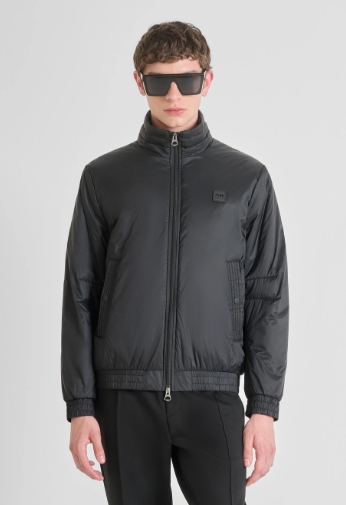
I was particularly drawn to the way functionality met fashion in these designs. For example, one jacket featured hidden pockets and reinforced stitching, which could be easily overlooked but made a huge difference in daily use. It was clear that Antony considered how someone would live in these clothes, move in them, and interact with them. This kind of design thinking transforms a simple garment into a companion for everyday life, enhancing experiences without ever demanding attention.
Seeing the prototypes up close also revealed the brand’s commitment to quality and sustainability. Fabric samples were chosen not only for their feel and durability but also for their environmental impact. Antony spoke about sourcing responsibly and considering how each material would age over time. The ethos was clear: creating garments that last, both in style and in life span, is as important as following trends. It’s a philosophy that resonated deeply with me, especially as someone who values authenticity in fashion.
What impressed me even more was Antony’s personal connection to the process. He treated each sketch, each fabric swatch, and each jacket prototype almost like a collaborative conversation between designer, material, and future wearer. By the time I left the studio, I had a new appreciation for the thoughtfulness behind the designs. When I later saw the finished products on display, including the signature pieces like the antony morato jacket, I recognized the same care and precision I had witnessed in the studio.
One small but memorable moment was when Antony explained how a particular lining was inspired by the texture of city streets he loved exploring as a young designer. It was a detail that many would never notice, yet it encapsulated the brand’s spirit—attention to subtle storytelling, blending heritage, urban life, and modern fashion. It made me think about how every garment carries pieces of its origin story, waiting for the wearer to discover them in everyday life.
Walking out of the studio, I kept reflecting on the layers behind each piece of Antony Morato clothing. From unseen prototypes to thoughtful detailing, every step in the design process is imbued with intention, care, and narrative. Experiencing the journey from concept to product firsthand offered a rare perspective on what it truly means to create clothing that is both meaningful and wearable.