When people talk about sneaker culture today, it’s easy to think only of flashy releases or limited-edition drops. But behind every pair lies a question that defines the trust of the entire community: authenticity. This is exactly where Novelship found its ground. Long before it became one of the largest platforms for sneaker and streetwear exchange in Asia-Pacific, its founders were simply collectors and enthusiasts who understood how fragile the bond between buyer and seller can be when counterfeits flood the market. Their idea was not just to create a place to buy shoes, but to build a culture around trust, detail, and appreciation for design.
In its early years, Novelship was less about scale and more about principles. The platform came into existence because its creators wanted to guarantee that each item passing through their hands carried the same excitement as unboxing a brand-new pair in-store. That meant setting up rigorous checks, partnering with experts, and developing a verification system that wasn’t only reliable but also educational. They wanted users to learn what makes a sneaker real, what stitching or material sets it apart, and why authenticity is more than just avoiding fakes—it’s about respecting the artistry of the brands and designers themselves.
As Novelship grew, so did its cultural impact. In regions where sneaker communities were still emerging, it created not just a marketplace but a hub of conversation. The company highlighted the history of iconic silhouettes, from Air Jordans that shaped basketball culture to Yeezys that redefined modern streetwear. By curating stories alongside products, they bridged the gap between collectors and newcomers, making sneakers less about transaction and more about shared passion. That kind of storytelling is rare in commerce; it reflects the brand’s roots in genuine admiration for the culture.
One of the most defining aspects of the platform is how it balances global trends with local perspectives. While American and European releases often dominate headlines, Novelship gave equal attention to how sneaker culture unfolds in cities like Singapore, Jakarta, or Kuala Lumpur. This regional emphasis not only provided representation but also shaped a generation of collectors who saw their communities reflected in the global conversation. Sneakers stopped being a distant symbol of Western culture and became part of local identity, worn to night markets, concerts, and casual hangouts.
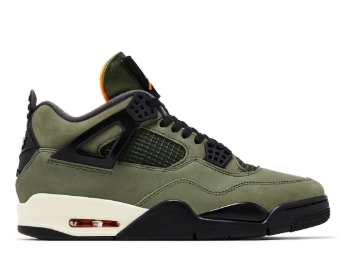
All of this would not have been possible without the trust factor at its core. Novelship’s verification process became a cornerstone, and today it stands as one of its most recognized features. For many users, that seal of assurance is why they return, why they trade, and why they bring friends into the platform. To explore that system in detail, many turn to novelship authentication, a process that reveals not only how seriously the brand treats verification but also how much it values the confidence of its community.
Over time, the brand’s story also became intertwined with sustainability and responsibility. Sneaker resale is not only about exclusivity; it’s also about extending the life of products that might otherwise be discarded. By building a reliable exchange platform, Novelship indirectly promotes reuse, circular fashion, and appreciation for items that hold cultural as well as material value. For many younger consumers, this alignment with conscious fashion makes the brand even more relevant in a time when discussions around sustainability are becoming urgent.
In conversations with other collectors, I often hear how Novelship shifted the way they think about sneakers. It’s no longer just about price tags or hype releases, but about what those shoes mean in a broader narrative of style, sport, and identity. The brand has positioned itself as both gatekeeper and storyteller, ensuring that what passes through its doors is real—not only in materials but also in spirit. And in a world where trust can be fleeting, that feels like the foundation of something enduring.