A few months ago, I found myself sitting quietly in a sun-drenched design studio just outside Toronto, sipping lukewarm coffee and watching a man sketch with the kind of focus usually reserved for surgeons or painters. But this wasn’t a painter. This was Alex, one of the senior designers at Wrangler, hunched over a weathered oak table with nothing but a mechanical pencil and a piece of Italian suede between him and his next concept: a wrangler purse that, if things went right, might not see daylight for another year.
I’ve spent most of my career exploring the stories behind brands—what they choose not to show you in the polished marketing videos or seasonal campaigns. The way a designer talks to a zipper. The way a faded denim swatch gets passed around a table like a sacred relic. And at Wrangler, there’s no shortage of these tiny, powerful details.
What surprised me the most wasn’t the tech, the mood boards, or even the samples (though I did spot one unreleased soft-structured leather crossbody that nearly made me gasp). It was the amount of human instinct still involved. At a time when every other brand seems to be chasing algorithm-driven trends, Wrangler still puts its trust in hands—calloused, pen-stained, precise hands.
Alex told me he doesn’t start with fashion reports. He starts with function. “What does this bag carry, and how should it feel to carry it?” he said while tracing out a curved silhouette. This grounded thinking is what anchors Wrangler’s work, especially in a market saturated with logos and fast trends.
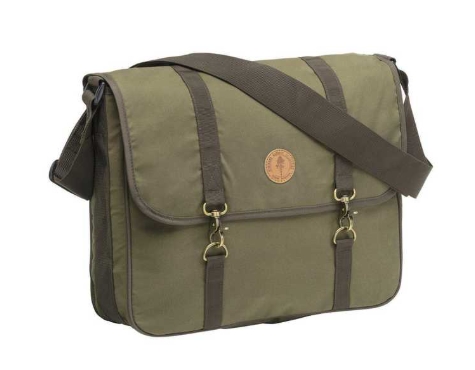
The same philosophy extends beyond accessories. Their roots in durable, hard-wearing American denim still guide everything they make. When I later visited the showroom and picked up a piece from their latest capsule collection, I noticed the subtle tension they hold: ruggedness without roughness, intention without pretense.
For Canadian customers who often face a limited range of thoughtful accessories in the denim world, wrangler canada is a quietly growing gem. Their team here has managed to stay connected with the heart of the brand while adapting to northern sensibilities—climate, practicality, understated beauty.
But it’s the bags, the unexpected stars of their line, that tell the most intimate stories. I met one intern who had spent an entire week distressing leather by hand using sandpaper and river stones—just to replicate the weathered patina of her grandmother’s 1970s Wrangler shoulder bag. It wasn’t about nostalgia. It was about honoring something tactile, real, and passed down.
You see it most clearly in the smaller pieces. A wrangler purse canada may not scream luxury, but it whispers honesty. The kind of design you don’t tire of after one season. These aren’t the bags you tuck away after a single trend cycle; they’re the ones that grow creases where your hands naturally rest, take on your scent, and soften into something unmistakably yours.
Wrangler is a brand that trusts time. It trusts materials, process, and people. I went in expecting to write about a denim powerhouse. I came out thinking about storytelling, about the quiet pride of a design team who still believe in the long way around—the sketch, the prototype, the stitch, the soil-worn inspiration.
And if I’m being honest, I left with more than notes. That unreleased bag? It wasn’t for sale. But they let me hold it, turn it over, trace the edge where the seam hadn’t been sealed yet. It felt like holding a thought before it became a thing. And somehow, that one unfinished piece said more about Wrangler than any catalog ever could.